Our Blogs & Articles

Discover articles, guides, and structured resources designed to help students, educators, and lifelong learners thrive in their educational journey.

How LMS Platforms Support Government Exam Preparation Institutes? Global LMS
How LMS Platforms Support Government Exam Preparation Institutes?

IntroductionEvery year, thousands of students prepare for government examinations in fields such as civil services, banking, education, police, military, and other public sector careers. Success in these competitive exams depends on quality study materials, regular practice, expert guidance, and consistent performance evaluation.Managing these activities through traditional methods can be challenging for coaching institutes. A Learning Management System (LMS) helps overcome these challenges by bringing teaching, learning, assessments, and student management together on a single online platform.What Is an LMS for Government Exam Preparation?A Learning Management System (LMS) is a digital learning platform that enables government exam coaching institutes to create, organize, and deliver educational content efficiently.Instead of using separate systems for attendance, study resources, tests, and communication, everything is managed from one centralized platform. Students can access their courses using a computer, tablet, or smartphone whenever it is convenient for them.Organized Access to Study MaterialsPreparing for government examinations requires students to study a wide variety of learning resources, including notes, eBooks, PDF documents, current affairs, previous-year question papers, and video lessons.An LMS keeps all these materials organized in one place, allowing students to quickly find the resources they need without searching across multiple platforms.Key benefits include:* Easy access to digital learning materials* Well-organized subjects and course modules* Quick content updates by instructors* Learning from both desktop and mobile devicesOnline Mock Tests and Practice AssessmentsMock tests play an important role in helping students prepare for competitive exams.With an LMS, institutes can create online practice exams that closely follow the structure of actual government examinations. Once students complete a test, they receive instant results, detailed explanations, and performance reports that help them understand their strengths and areas for improvement.Common LMS testing features include:* Time-based examinations* Multiple-choice question formats* Automatic result generation* Student rankings and leaderboards* Answer explanations after submission Live and Recorded Learning SessionsMany students cannot attend classroom sessions regularly because of work, travel, or personal commitments.An LMS supports both live virtual classes and recorded lectures, allowing students to continue learning regardless of their location. Recorded lessons also make revision easier before examinations.Monitoring Student PerformanceOne of the most valuable features of an LMS is its ability to track learning progress automatically.Teachers can monitor important learning data such as:* Course completion progress* Quiz and assignment results* Mock test scores* Attendance records* Student participation* Time spent on learning activitiesThese reports help instructors identify students who may need additional guidance.Improved Teacher and Student CommunicationEffective communication is essential during government exam preparation.An LMS provides several communication tools that keep students informed and engaged throughout their learning journey.These tools may include:* Discussion boards* Course announcements* Direct messaging* Assignment feedback* Notifications for classes and examinationsAs a result, students stay connected with instructors and receive important updates on time.Flexible Learning ExperienceEvery student has a different learning pace and study schedule.An LMS allows learners to study whenever it suits them best. They can replay video lectures, review previous lessons, revisit difficult topics, and practice multiple times until they feel confident.This flexibility is especially useful for working professionals and students preparing for competitive exams alongside their regular education.Simplified Institute ManagementHandling large numbers of students manually can be difficult and time-consuming.An LMS makes administration much easier by helping institutes:* Create and manage multiple courses* Enroll students online* Schedule live classes* Upload study materials* Record attendance* Generate academic reports* Award certificates when requiredBy automating these tasks, institutes can focus more on teaching and student success. Using Analytics to Improve LearningModern LMS platforms provide detailed reports and learning analytics that help institutes understand how students are performing.Administrators and instructors can evaluate information such as:* Topics students find most difficult* Levels of learner engagement* Course completion statistics* Overall class performance* Popular quizzes and assessmentsThese insights support better teaching decisions and continuous course improvement.Supporting Hybrid LearningMany government exam coaching institutes now combine traditional classroom teaching with online learning.An LMS supports this hybrid approach by giving students access to recorded lectures, digital study resources, online assessments, and classroom content from one platform. This creates a more convenient and balanced learning experience.Why Government Exam Preparation Institutes Should Use an LMS?As competition for government jobs continues to increase, coaching institutes need smarter ways to deliver quality education.An LMS helps institutes:* Deliver structured online learning* Reduce administrative workload* Increase student participation* Conduct regular online assessments* Track learning progress accurately* Reach students beyond physical classrooms* Improve the overall learning experienceConclusionPreparing for government examinations requires discipline, continuous practice, and access to high-quality learning resources. A Learning Management System (LMS) combines all these essential elements into one centralized platform.From sharing study materials and conducting mock tests to monitoring student progress and supporting flexible online learning, an LMS enables coaching institutes to operate more efficiently while helping students prepare with greater confidence.As digital education becomes increasingly important, implementing an LMS is a practical investment for government exam preparation institutes looking to deliver organized, accessible, and effective learning experiences.

Jul 26, 2026
4
How E-Learning Helps Organizations Build a Future-Ready Workforce? Global LMS
How E-Learning Helps Organizations Build a Future-Ready Workforce...

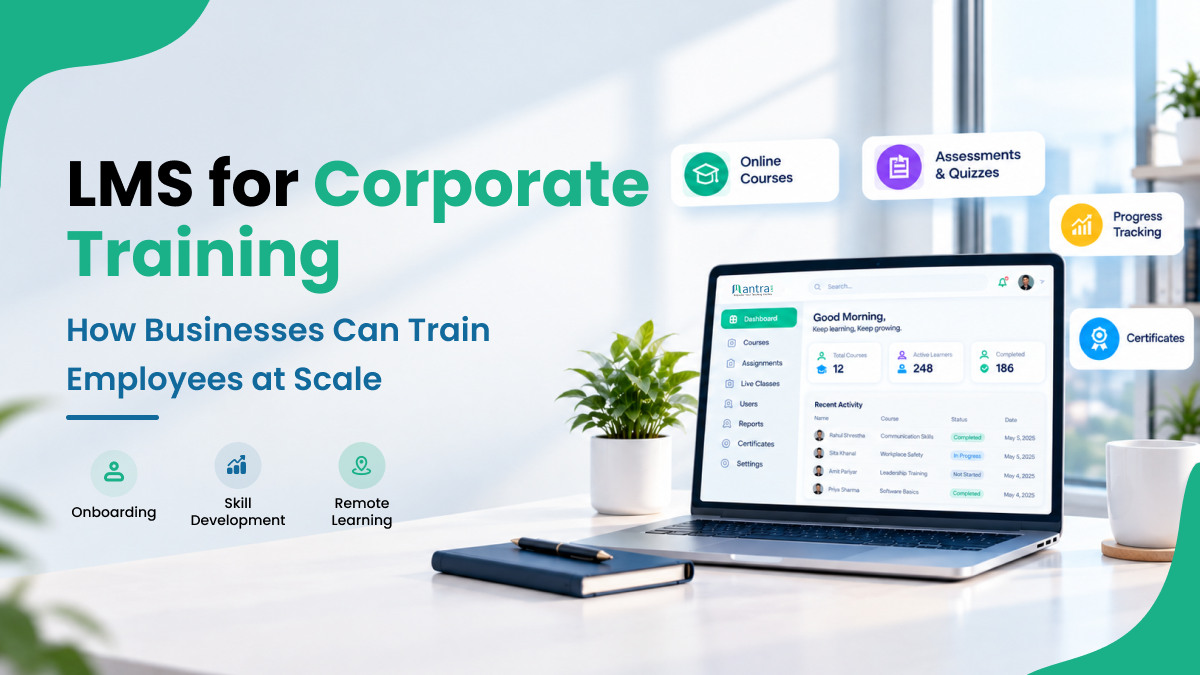
IntroductionWorkplaces are evolving faster than most training programs can keep up with. Automation, digital transformation, and shifting customer expectations are redefining how businesses operate and employees need to adapt just as quickly.One-time training sessions can't keep pace with this rate of change. What organizations need now is learning that's flexible, engaging, and available whenever employees need it. That's exactly the gap e-learning fills.By making continuous skill-building possible at scale, e-learning helps organizations build teams that are ready not just for today's demands, but tomorrow's as well.Why Organizations Need a Future-Ready Workforce?Several forces are driving this shift:Technology is advancing faster than traditional training cycles can match.Digital transformation is changing how teams work day to day.Automation and AI are reshaping job roles and required skills.Customer expectations keep rising, demanding faster, better service.Markets are more competitive, leaving little room for skill stagnation.Employees need ongoing upskilling just to stay relevant in their roles.Organizations that don't invest in continuous learning risk falling behind not just in productivity, but in their ability to retain skilled employees.What Makes E-Learning Essential for Workforce Development?E-learning solves problems that traditional training can't:Flexible learning employees train around their schedule, not the other way around.Self-paced education learners absorb material at a speed that works for them.Remote accessibility training reaches employees regardless of location.Personalized learning paths content matches each employee's role and level.Consistent training across locations every branch or team gets the same quality.Cost-effective delivery no repeated venue, travel, or printing costs.Key Benefits of E-Learning for OrganizationsContinuous Employee UpskillingSkills built once become outdated quickly. E-learning makes it easy to revisit, refresh, and expand knowledge as job demands shift.Faster Employee OnboardingNew hires can start structured training on day one instead of waiting for the next scheduled session, shortening time to productivity.Improved ProductivityEmployees spend less time away from work and more time applying what they learn directly to their tasks.Better Knowledge RetentionInteractive formats quizzes, scenario-based content, spaced repetition — help information stick longer than one-off lectures.Increased Employee EngagementGamified elements, progress tracking, and interactive content keep learners more invested than passive classroom sessions.Reduced Training CostsNo travel, no venue rental, no printed materials just one platform serving the whole organization.Standardized Learning ExperienceEvery employee, regardless of branch or region, receives the same quality and consistency of training.Easier Compliance TrainingMandatory training and certifications can be assigned, tracked, and renewed automatically, reducing compliance risk.Essential Features of an Effective E-Learning PlatformA strong e-learning setup typically includes:A central Learning Management System (LMS)Structured course management toolsAssessments and quizzes to test understandingCertifications to formally recognize completed trainingProgress tracking for individual learnersLearning analytics to spot trends and gapsMobile learning support for training on the goLive classes for real-time interaction when neededDiscussion forums for peer learningA reporting dashboard for HR and L&D visibilityBest Practices for Building a Future-Ready Workforce Through E-LearningOrganizations get the most out of e-learning when they:Identify existing skill gaps before designing trainingBuild personalized learning paths for different rolesEncourage a culture of continuous learning, not one-time coursesUse interactive content instead of static materialTrack learner performance regularlyKeep training content updated as job requirements changeRecognize and reward employee learning achievementsMeasure actual learning outcomes, not just completion ratesCommon Challenges Organizations FaceEven with the right intentions, e-learning rollouts can run into:Low learner engagementPoor course completion ratesOutdated training materialsResistance to change from employees or managementLack of visible support from leadershipA well-designed LMS addresses most of these issues directly — automated reminders improve completion rates, analytics flag disengagement early, and centralized content management makes updates far easier than manually revising classroom material.How Mantra LMS Supports Future-Ready Workforce DevelopmentMantra LMS is built around the same needs that drive future-ready workforce planning. As a cloud-based, white-label platform, it lets organizations run branded training programs without heavy infrastructure investment. Mobile learning support means employees can train from anywhere, while built-in assessments and certifications help formalize skill development.Learning analytics give HR and L&D teams visibility into course completion and skill gaps across the organization, and multi-organization support makes it practical for companies managing multiple branches or teams. Course management stays straightforward, so training content can be updated as job requirements evolve — keeping the whole system aligned with what "future-ready" actually requires.The Future of Workforce LearningWorkforce training is heading toward:AI-powered learning that adapts content to individual progressAdaptive learning paths that adjust in real time based on performanceMicrolearning — short, focused lessons instead of long sessionsMobile-first training designed for on-the-go accessSkills-based education focused on practical competency over credentialsDeeper learning analytics to guide training decisionsVR/AR training for hands-on, immersive practiceLifelong learning as a standard expectation, not an exceptionConclusionOrganizations that commit to continuous learning are simply better positioned to handle new technologies, shifting roles, and rising market demands. E-learning provides the flexibility, scale, and data-backed insight needed to build a workforce that's skilled, engaged, and ready for what's ahead.Paired with a capable Learning Management System, this kind of ongoing development becomes part of the organizational culture benefiting employees and business outcomes alike. As expectations around workplace learning keep evolving, e-learning will stay central to how organizations grow, innovate, and stay competitive.

Jul 24, 2026
10
How a Learning Management System (LMS) Helps Educational Institutions Increase Student Admissions ? Global LMS
How a Learning Management System (LMS) Helps Educational Institut...

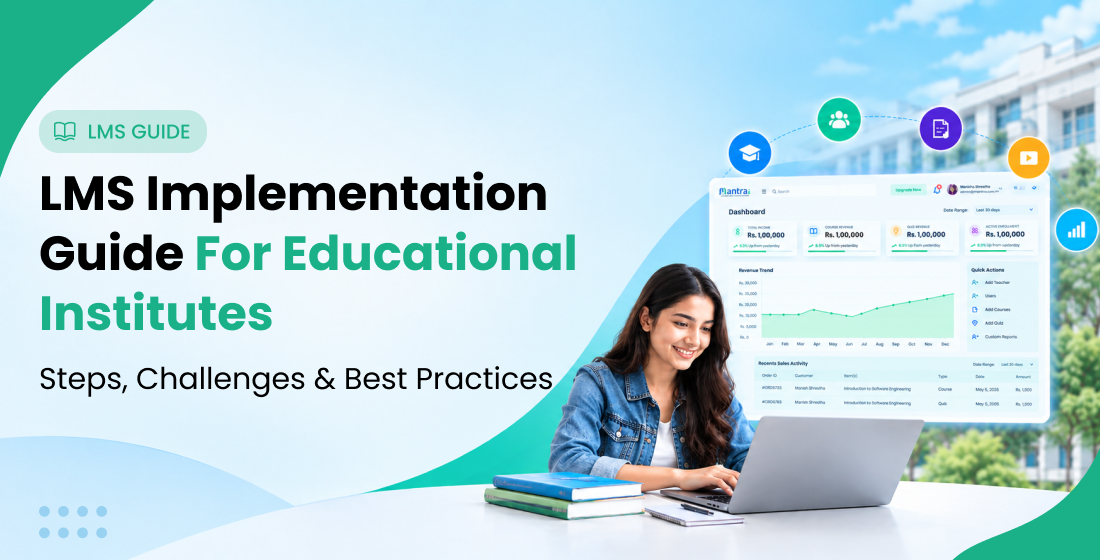
How an LMS Helps Educational Institutes Increase Student Admissions ?In today's competitive education landscape, attracting new students requires more than excellent academic programs and experienced faculty. Students and parents now expect educational institutions to offer a modern, digital-first experience that makes learning and admissions simple, convenient, and accessible. Before choosing a school, college, university, coaching center, or training institute, most prospective students research online, compare courses, read reviews, explore learning facilities, and evaluate the overall digital experience. Institutions that fail to provide a seamless online journey often lose potential students to competitors with more advanced digital solutions.A Learning Management System (LMS) has become one of the most effective tools for educational institutions looking to increase student admissions and improve the overall enrollment experience. While traditionally used for delivering online courses, a modern LMS now supports every stage of the student journey—from discovering courses and submitting online applications to attending virtual classes, accessing learning materials, tracking progress, and earning digital certificates. By bringing these services together in a single platform, an LMS helps institutions create a professional image, streamline administrative tasks, and build trust with prospective students and parents.One of the biggest advantages of an LMS is its ability to simplify the admission process. Instead of requiring students to visit campus multiple times or complete lengthy paperwork, institutions can offer online registration forms, digital document uploads, secure fee payment options, and instant application updates. This not only saves time but also creates a smoother and more convenient admission experience. In addition, features such as live demo classes, course previews, faculty information, student testimonials, and mobile-friendly access allow prospective students to better understand what the institution offers before making an enrollment decision.Beyond admissions, an LMS strengthens communication through email notifications, announcements, discussion forums, and parent portals, ensuring that students and families remain informed throughout the learning journey. Interactive features such as quizzes, assignments, virtual classrooms, attendance tracking, and performance analytics improve student engagement and learning outcomes while reducing administrative workload for educators. Institutions can also use built-in reports and analytics to monitor enrollment trends, student engagement, and course performance, enabling smarter decisions that support long-term growth.As digital transformation continues to reshape education, implementing the right Learning Management System is no longer optional it's a strategic investment in the future of an educational institution. An LMS helps create a better first impression, delivers a high-quality learning experience, strengthens institutional credibility, and supports sustainable student enrollment. Whether you manage a school, college, coaching center, university, or professional training institute, adopting a modern LMS can help you attract more students, improve operational efficiency, and remain competitive in today's rapidly evolving education sector.

Jul 22, 2026
26
Why E-Learning Is No Longer Optional for Modern Organizations? E-Learning
Why E-Learning Is No Longer Optional for Modern Organizations?

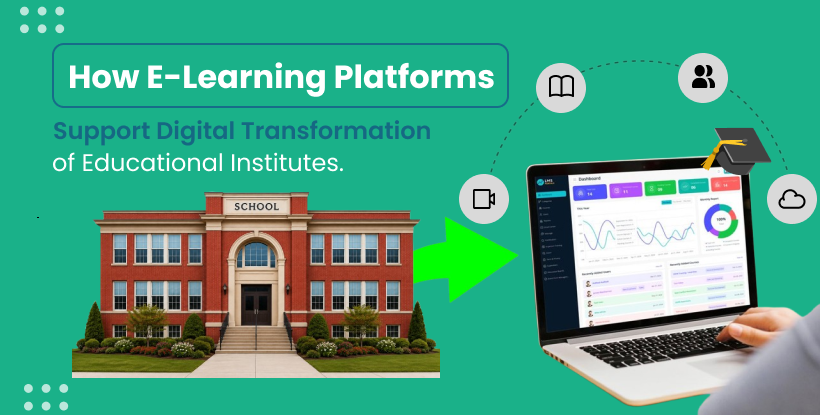
The Shift Toward Digital LearningThe way organizations and educational institutions approach learning has changed significantly over the past decade. Traditional classroom-based training alone is no longer enough to meet the demands of today's fast-moving digital world. As technology continues to reshape education and the workplace, **e-learning** has evolved from a convenient option into a fundamental part of modern learning strategies.Whether the goal is to educate students, onboard new employees, or provide ongoing professional development, organizations need learning solutions that are flexible, accessible, and scalable. E-learning makes this possible by allowing learners to access educational content anytime, anywhere, and from virtually any device.Why E-Learning Has Become Essential?Modern organizations operate in an environment where knowledge, skills, and technologies are constantly evolving. To remain competitive and prepared for future challenges, they must ensure that learning is continuous rather than occasional.Unlike traditional training, which often requires fixed schedules, physical classrooms, and significant administrative effort, e-learning provides a more efficient and learner-centered approach. Courses can be updated quickly, distributed instantly, and accessed by thousands of learners simultaneously. This flexibility helps institutions respond rapidly to changing educational and industry requirements while reducing both time and operational costs.How a Learning Management System Enhances E-Learning?A modern Learning Management System (LMS) plays a vital role in delivering effective e-learning experiences. Instead of managing courses, assessments, learner records, and communication across multiple tools, an LMS brings everything together within a single, centralized platform.Educational institutions can create and organize courses, automate enrollments, conduct online assessments, issue certificates, monitor learner progress, and generate comprehensive performance reports. Faculty members gain better visibility into student engagement, while administrators can streamline routine tasks and focus more on improving learning quality.Creating Better Learning ExperiencesToday's learners expect more than static presentations or recorded video lectures. They look for interactive, engaging, and personalized learning experiences that keep them motivated throughout their learning journey.Modern e-learning platforms support a variety of learning methods, including multimedia lessons, interactive quizzes, discussion forums, collaborative activities, assignments, and self-paced learning paths. These features accommodate different learning styles, encourage active participation, and improve knowledge retention. Learners can also revisit lessons whenever needed, making it easier to reinforce concepts and learn at their own pace.Supporting Continuous Growth and Skill DevelopmentAs new technologies and industry practices emerge, educational content must evolve just as quickly. E-learning enables institutions and organizations to revise course materials, introduce new topics, and deliver updated information without disrupting existing learning programs.This adaptability is especially valuable for educational institutions that need to keep curricula current and prepare students with relevant, future-ready skills. By promoting continuous learning, organizations can close knowledge gaps, improve academic outcomes, and support long-term personal and professional development.ConclusionE-learning is no longer simply a digital alternative to classroom instruction—it has become a strategic investment in the future of education and workforce development. Combined with a powerful Learning Management System, it enables institutions to deliver engaging learning experiences, simplify academic administration, improve learner outcomes, and foster a culture of continuous improvement.As digital learning continues to evolve, organizations that embrace e-learning today will be better equipped to meet the changing expectations of learners, educators, and the modern workforce. Investing in the right e-learning strategy is no longer just an opportunity—it's an essential step toward building a more resilient, innovative, and future-ready organization.

Jul 22, 2026
25
How White-Label LMS Helps Training Institutes Build Their Own Brand ? Global LMS
How White-Label LMS Helps Training Institutes Build Their Own Bra...

How White-Label LMS Helps Training Institutes Build Their Own Brand ?A White-Label Learning Management System (LMS) is a fully customizable online learning platform that allows training institutes to deliver courses under their own brand instead of the software provider's. Everything learners interact with including the login page, custom domain, learner dashboard, emails, certificates, and mobile experience can be tailored to reflect the institute's unique identity.For modern training providers, branding extends far beyond a logo. Every digital interaction shapes how learners perceive the quality, professionalism, and credibility of an institution. A white-label LMS ensures that each stage of the learning journey consistently reinforces the institute's brand, helping organizations build trust, improve learner engagement, and establish a stronger presence in an increasingly competitive education market.Beyond visual customization, a white-label LMS supports long-term business growth. It enables institutes to create a seamless learning experience, strengthen brand recognition, enhance the value of certifications, and scale online training programs without promoting a third-party platform. Whether serving students, professionals, or corporate clients, a white-label LMS gives organizations complete ownership of their digital learning ecosystem.IntroductionThe success of an online training institute depends on more than delivering quality courses. In today's digital-first learning environment, the overall learner experience plays an equally important role in building a strong and recognizable brand.Think about every touchpoint a learner encounters—from registering for a course and accessing lessons to receiving notifications, completing assessments, and downloading certificates. Each interaction contributes to how the institute is remembered. If these experiences are branded with a third-party LMS provider, the institute loses valuable opportunities to reinforce its own identity.A White-Label Learning Management System (LMS) solves this challenge by allowing training institutes to create a learning environment that feels entirely their own. Instead of directing attention to the software vendor, every element of the platform reflects the institute's branding, creating a consistent, professional, and trustworthy experience for learners.What Is a White-Label LMS?A White-Label LMS is a learning management platform designed to be fully rebranded so it appears as the institute's own software. Rather than displaying the LMS provider's identity, organizations can personalize the platform to match their visual identity and business requirements.Most white-label LMS solutions allow institutions to customize:* Company logo and favicon* Brand colors and typography* Custom domain name (for example, **learn.yourinstitute.com**)* Login and registration pages* Learner dashboard* Mobile application branding* Automated email templates* Digital certificates* Reports and analytics* User interface and navigationThe result is a seamless learning experience where learners engage only with the institute's brand, creating greater familiarity and trust throughout their educational journey.Why Branding Matters in Online Learning?Branding is no longer limited to websites, brochures, or advertisements. In online education, the learning platform itself becomes the institution's digital campus and one of its most powerful brand assets.Every lesson completed, assessment submitted, progress update received, or certificate earned shapes how learners perceive the organization. A consistent and professionally branded experience communicates credibility, reliability, and attention to detail qualities that influence whether learners enroll, complete courses, or recommend the institute to others.Institutions that invest in strong digital branding are better positioned to:* Build learner confidence from the first interaction.* Increase brand recognition across multiple courses and programs.* Differentiate themselves in a competitive education market.* Create a premium learning experience that encourages repeat enrollments.* Develop lasting relationships with students, professionals, and corporate clients.

Jul 22, 2026
19
How AI Is Reshaping Personalized Learning in Today's LMS Platforms? Global LMS
How AI Is Reshaping Personalized Learning in Today's LMS Platform...

IntroductionFor decades, education followed a rigid script: every learner got the same lessons, the same tests, and the same pace, no matter their background or ability. That model is fading fast. Learners today expect training that bends to fit them, not the other way around and Artificial Intelligence is the force making that possible.Modern Learning Management Systems (LMS) now use AI to study how each person learns their pace, habits, strengths, and gaps and shape the experience around that data instead of pushing identical content to everyone. The result is a learning journey that recommends the right course, adjusts on the fly, and gives feedback the moment it's needed, cutting down the manual work trainers and educators used to carry.As schools, universities, and companies lean further into digital training, AI-driven personalization has become one of the clearest levers for boosting engagement, retention, and overall training ROI.What Personalized Learning Actually Means?Personalized learning means shaping the pace, content, and format of a course around a specific learner's goals, ability, and preferred way of absorbing information — rather than forcing everyone through an identical curriculum.An AI-powered LMS does this by constantly reading learner data and using it to decide what to show next, when to show it, and how to frame it for maximum impact.In practice, this might look like:- A learner who's stuck on a concept getting extra drills, videos, or reading before moving on- A fast learner skipping ahead to advanced material instead of waiting on the group- Feedback on quizzes and assignments that's shaped around that individual's actual resultsThe outcome is a learning experience built around the person, not the syllabus.How AI Drives Personalization Inside an LMS? Smarter Course RecommendationsAI looks at what a learner has already studied, how they scored, and what they're interested in, then surfaces courses that actually fit instead of leaving people to dig through a massive catalog on their own.For companies, this same engine points employees toward compliance modules, leadership tracks, or upskilling paths that match their specific role and career direction. Learning Paths That Adjust AutomaticallyNo two learners move at the same speed. AI-driven adaptive learning responds to that reality by reshaping the path in real time:- Learners who grasp a topic fast get pushed into more advanced material sooner- Learners who are struggling get extra support before the system lets them move forwardThis keeps people from checking out of a course — either because it's too easy or because they're drowning. AI-Driven AssessmentGrading has moved well past a simple right-or-wrong check. AI now handles:- Automatic scoring of quizzes and assignments- Instant results instead of a multi-day wait- Detection of specific knowledge gaps- Suggested resources to close those gaps- Feedback written around the individual's mistakesThat speed matters — learners can fix a misunderstanding immediately instead of carrying it forward into the next lesson.Learning Analytics and Progress TrackingAI's biggest advantage may be its capacity to process huge amounts of learner activity and turn it into something usable. That includes tracking:- Course progress and completion rates- Quiz and assignment performance- Time spent per lesson- Engagement patterns- Retention over timeThese numbers let administrators spot learners who are falling behind and evaluate whether a training program is actually working turning guesswork into data-backed decisions.Feedback That Happens in Real TimeWaiting days for a grade kills momentum. AI closes that gap by delivering feedback right after a quiz, assignment, or activity and it goes beyond a simple pass/fail. It can explain *why* an answer was wrong, point to a related resource, and suggest what to study next, keeping learners moving instead of stalling out.Catching Problems Before They EscalateAI can flag warning signs like dropping engagement or missed deadlines — before a learner is at real risk of quitting the course. Once flagged, the LMS can:- Send automatic reminders- Push extra study material- Alert the instructor- Nudge the learner to finish pending workThis proactive layer is a major factor in improving completion rates.What This Means for Each GroupFor learners: a course that fits their pace, faster skill-building, immediate feedback, and the flexibility to learn on their own schedule.For educators and trainers: far less time spent on manual grading, clearer visibility into who's struggling, and more time available for actual mentoring.For organizations: stronger training outcomes, higher completion rates, better return on training spend, and workforce development that's backed by real data.Where AI Driven Personalization Still Needs CareAI isn't a plug-and-play fix it requires deliberate implementation. Organizations rolling this out need to think through:- How learner data is collected, stored, and protected- Whether AI recommendations are transparent and free of bias- Keeping the underlying content itself high quality- Using AI to support instructors, not replace themDone right, AI strengthens the role educators already play instead of sidelining them. What's Next for AI in LMS PlatformsAI in education is still moving fast, and the next wave of LMS tools is expected to go even further, including:- AI-driven virtual tutors- Voice-assisted learning- Deeper predictive analytics- Generative AI for building course content- Personalized career-path recommendations- Skills-gap analysis- Real-time learning assistance during a course

Jul 20, 2026
28
"Learning Analytics: Transforming Education Through Data-Driven Insights" E-Learning
"Learning Analytics: Transforming Education Through Data-Driven I...

What Is Learning Analytics?Education is going digital fast, and with that shift, schools, colleges, universities, and training centers are producing enormous amounts of learning data every single day attendance logs, assignment submissions, quiz results, discussion activity, and more. Each of these data points offers a small window into how a student is actually learning. Learning Analytics brings these pieces together: it's the practice of collecting, measuring, analyzing, and interpreting learner data to understand behavior, sharpen teaching strategies, and ultimately help students succeed.Where traditional evaluation leans almost entirely on final exam scores, learning analytics tells a fuller story. It follows a student's progress continuously — not just at the end so educators can track engagement, spot patterns, and make decisions grounded in real data instead of guesswork.Inside an LMS, this typically means capturing signals like course engagement, assessment scores, login frequency, attendance, assignment completion, discussion participation, time spent on materials, and overall course progress. Once this data is turned into clear reports and dashboards, educators can quickly see where a student is excelling, where gaps are forming, and step in with support before those gaps turn into real setbacks.Why Educational Institutions Need It?Institutions today are under real pressure bigger classrooms, more diverse learners, and higher expectations for outcomes, all at once. The traditional toolkit periodic exams, manual attendance sheets, in-class observation still matters, but it was never built to catch problems early. By the time a gap shows up on a report card, the moment to intervene has often already passed.Learning analytics changes that. Instead of discovering issues at the end of a semester, educators get a live picture of how students are doing and can act while there's still time to make a difference. Institutions that skip this typically run into a familiar set of problems:- At-risk students go unnoticed until it's too late- Engagement and participation are hard to see clearly- No reliable way to tell which teaching methods are actually working- Feedback becomes inconsistent once class sizes grow- Academic planning ends up reactive instead of strategic- Retention drops simply because help arrives too lateWith learning analytics in place, institutions get a much clearer read on student behavior making it possible to boost academic performance, deepen engagement, and keep improving continuously, not just once a year.

Jul 10, 2026
59
The Role of Learning Management Systems in Supporting Global Education Initiatives E-Learning
The Role of Learning Management Systems in Supporting Global Educ...

Education has evolved beyond the boundaries of traditional classrooms, becoming a global ecosystem where knowledge, skills, and learning opportunities are accessible across geographical and cultural borders. The rapid advancement of digital technologies, increased internet accessibility, and the growing demand for flexible learning have accelerated the adoption of global education initiatives. Governments, educational institutions, international organizations, and businesses are increasingly investing in digital learning strategies to provide equitable, high-quality education to learners regardless of their location. In this transformation, Learning Management Systems (LMS) have emerged as one of the most essential technologies supporting the successful implementation of these initiatives.A Learning Management System serves as a centralized digital platform that enables educational institutions and organizations to create, manage, deliver, and monitor learning experiences efficiently. It provides learners with continuous access to educational resources, online courses, assessments, assignments, discussion forums, and progress tracking through a secure and user-friendly environment. By eliminating geographical barriers, reducing administrative complexities, and supporting both synchronous and asynchronous learning, LMS platforms make education more accessible, scalable, and inclusive.Global education initiatives aim to ensure that quality education is available to everyone, promote lifelong learning, reduce educational inequalities, and prepare learners with the knowledge and skills required in a rapidly changing world. Learning Management Systems play a crucial role in achieving these objectives by supporting multilingual content, mobile learning, digital assessments, online certifications, virtual classrooms, collaborative learning environments, and data-driven decision-making. These capabilities enable institutions to deliver consistent educational experiences to learners across different countries, cultures, and time zones while maintaining academic quality and operational efficiency.Furthermore, modern LMS platforms incorporate advanced technologies such as artificial intelligence (AI), learning analytics, adaptive learning, and personalized learning pathways to improve learner engagement and outcomes. These innovations help educators identify learning gaps, provide targeted support, automate administrative tasks, and create personalized educational experiences that meet the unique needs of individual learners. As digital transformation continues to reshape education worldwide, Learning Management Systems are becoming strategic tools that empower institutions to expand their reach, improve learning effectiveness, and support sustainable global education initiatives.This article explores the significant role of Learning Management Systems in advancing global education initiatives, highlighting their key features, benefits, challenges, and the ways they contribute to building a more connected, inclusive, and future-ready learning ecosystem.

Jul 07, 2026
68
"The Role of Digital Learning Ecosystems in Enhancing Institutional Performance" E-Learning
"The Role of Digital Learning Ecosystems in Enhancing Institution...

A Digital Learning Ecosystem is a connected educational environment where tools such as Learning Management Systems (LMS), virtual classrooms, digital content platforms, analytics systems, teachers, and students operate together in an integrated structure.It shifts traditional education toward a technology-driven, data-informed, and interaction-focused learning approach, enhancing how institutions deliver instruction, manage academic operations, and monitor student progress.Challenges in Traditional Education SystemsConventional education systems typically face several limitations, including:Low student engagement with passive learning methodsTime-consuming and error-prone manual administrationLack of real-time monitoring of academic performanceLimited access to learning resources outside the classroomInefficient communication between teachers, students, and parentsLate detection of students who are struggling academicallyThese issues collectively reduce institutional efficiency and learning effectiveness.How a Digital Learning Ecosystem Improves Performance?1. Enhances Teaching and Learning DeliveryA digital ecosystem supports interactive and multimedia-rich instruction, including videos, e-notes, quizzes, and virtual demonstrations. LMS platforms help organize lessons and provide instant feedback.This leads to improved understanding, clearer concepts, and better knowledge retention.2. Increases Student Engagement and ParticipationDigital learning encourages active participation through live classes, gamified learning, real-time quizzes, and collaborative activities.This transforms learners from passive receivers into active participants, boosting interest and motivation.3. Supports Data-Driven Academic MonitoringDigital systems continuously track student data such as:Attendance recordsExam and assessment resultsLearning progressParticipation levelsThis helps institutions identify weak students early and apply targeted academic support.4. Automates Administrative ProcessesRoutine institutional tasks are streamlined through automation, including:Attendance trackingGrade processingStudent record managementReport generationThis improves efficiency, accuracy, and reduces administrative workload.5. Enables Flexible and Remote LearningStudents can access learning materials anytime through digital devices, allowing learning beyond the classroom.This supports flexible study schedules, revision opportunities, and remote accessibility.6. Improves Communication and CollaborationDigital ecosystems enhance communication among:Teachers and studentsInstitutions and parentsStudents and peersThis ensures better coordination, transparency, and timely information sharing.7. Strengthens Institutional PerformanceOverall, these improvements lead to:Higher academic achievementIncreased student engagementMore efficient institutional operationsData-informed decision-makingStronger digital transformation in education systems

Jun 10, 2026
129