Our Blogs & Articles

Discover articles, guides, and structured resources designed to help students, educators, and lifelong learners thrive in their educational journey.

Why Training Institutes Are Switching to LMS Platforms in 2026? Global LMS
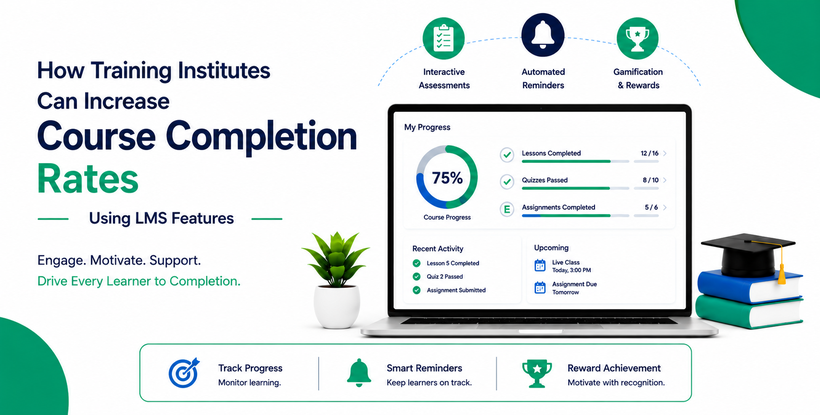
Why Training Institutes Are Switching to LMS Platforms in 2026?

In 2026, training institutes are rapidly moving from traditional teaching methods to digital learning platforms. One of the main reasons behind this change is the growing use of Learning Management Systems (LMS). An LMShelps training institutes manage courses, students, assignments, attendance, and communication in one platform. It makes learning more organized, flexible, and efficient for both students and instructors. 1. Growing Demand for Online Learning Students today prefer flexible learning options that allow them to study anytime and from anywhere. Training institutes are adopting LMS platforms to provide online classes, recorded sessions, digital materials, and remote learning access. This helps institutes reach more students without location limitations.2. Easy Student and Course Management Managing hundreds of students manually can be difficult and time-consuming. LMS platforms simplify this process by organizing: StudentenrollmentCoursematerialsAssignments andexamsAttendancerecordsProgress reportsEverything can be managed from one dashboard, saving time and reducing errors.3. Better Communication and Collaboration LMSplatforms improve communication between students and instructors through: Discussion forums Messagingsystems Liveclass integrationAnnouncementsandnotificationsThis creates a more interactive and connected learning environment.4. Automation Saves Time Automation is one of the biggest advantages of modern LMS platforms. Many repetitive tasks are handled automatically, such as:Attendancetracking QuizgradingCertificate generationAssignmentremindersThis reduces administrative workload and allows trainers to focus more on teaching.5. Improved Learning Experience LMSplatforms provide students with a more engaging learning experience through: Interactive quizzesVideolessonsGamification featuresProgress tracking Students can learn at their own pace and review lessons whenever needed.6. Data and Performance Tracking Training institutes can use LMS analytics to monitor student performance and course effectiveness. Teachers can easily identify:WeaklearningareasStudentparticipation levelsCoursecompletion ratesThis helps improve teaching quality and student outcomes.7. Cost-Effective and Scalable Solution Using an LMS reduces the need for printed materials, physical infrastructure, and manual administration. It is a cost-effective solution that can easily support both small and large training institutes. Institutes can also expand their courses online and reach more learners in different locations.8. Future-Ready Education System As technology continues to grow, digital learning is becoming the future of education. LMS platforms help training institutes stay modern and competitive by offering smart, flexible, and technology-driven learning solutions. Institutes using LMS today are better prepared for the future of education.

May 19, 2026
158
The Future of Digital Education: How LMS Is Evolving with AI and Automation? Global LMS
The Future of Digital Education: How LMS Is Evolving with AI and...

In today’s digital world, education is changing very fast. Traditional classrooms are now supported by online learning tools. One of the most important tools is the Learning Management System (LMS). An LMSisa digital platform that helps schools, colleges, and training institutes manage teaching and learning in one place. With the help of Artificial Intelligence (AI) and automation, LMS is becoming smarter, faster, and more efficient.1. Smarter Learning with AI AI is making learning more intelligent and personalized. Instead of giving the same content to every student, AI helps the LMS understand each learner’s behavior and needs. It can suggest the right lessons, highlight weak topics, and recommend additional study materials. This helps students focus on what they truly need, making learning more effective and less confusing.2. Personalized Learning Every student learns in a different way and at a different speed. Some understand quickly, while others need more time. AI-based LMS platforms solve this problem by allowing personalized learning paths. Fast learners can move ahead without waiting, while others can revisit lessons until they fully understand. This reduces pressure and improves overall learning quality.3. Automation in Education Automation helps reduce manual work for teachers and administrators. Many routine tasks are now handled automatically by LMS systems. For example, attendance can be recorded automatically, quizzes can be generated instantly, and objective tests can be graded without manual effort. Notifications and reminders are also sent automatically to keep students updated.4. Instant Feedback and Tracking One of the biggest advantages of modern LMS is instant feedback. Students don’t need to wait for days to know their results.They can immediately see quiz scores, track their progress, and understand which areas need improvement. Teachers also get clear reports to monitor each student’s performance and guide them better.5. AI Chatbots for Support AI chatbots act like virtual assistants inside the LMS. They provide quick and helpful support to students anytime. Students can ask questions, find study materials, or get guidance without waiting for a teacher. These chatbots are available 24/7, making learning more convenient and accessible.6. Engaging Learning Experience Modern LMS platforms are designed to keep students engaged and motivated. Learning is no longer boring or one-sided. Features like quizzes, gamification (badges and rewards), and smart video recommendations make learning more interactive and enjoyable. This helps students stay interested and actively participate in their studies.7. Data-Driven Education LMSplatforms collect and analyze learning data to improve education quality. Teachers can see how students are performing, identify learning gaps, and improve course content accordingly. This data-driven approach helps institutions make better decisions and improve overall learning outcomes.8. Future of LMS The future of LMS is very advanced and exciting. In the coming years, we will see AI-powered virtual classrooms, voice-based learning assistants, and even VR/AR-based learning experiences. Education will become more interactive, flexible, and personalized. LMS will not just support learning—it will fully transform how education is delivered.

May 18, 2026
120
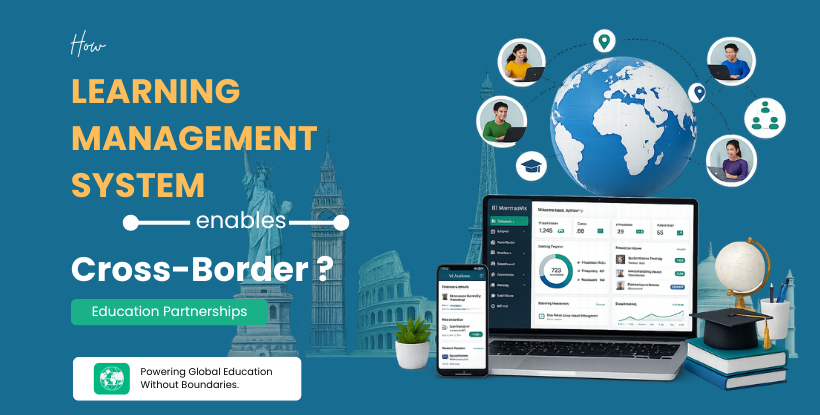
Learning Management Systems Around the World: How LMS Is Powering Global Education Global LMS
Learning Management Systems Around the World: How LMS Is Powering...

Learning Management Systems (LMS) have emerged as a vital component of modern education systems worldwide. As digital learning continues to grow, institutions and organizations across different countries are adopting LMS platforms to manage courses, learners, assessments, and training programs efficiently.In North America and Europe, LMS platforms are deeply integrated into universities, colleges, and corporate training environments. Institutions rely on LMS solutions for end-to-end digital learning, including content management, online examinations, learner analytics, and certification. Corporate sectors use LMS platforms to deliver compliance training, onboarding programs, and professional development courses with measurable outcomes.Asian countries have witnessed rapid LMS adoption due to increased internet penetration and mobile device usage. Educational institutions prioritize mobile-friendly LMS platforms that support self-paced learning and exam-oriented courses. Many governments and private organizations use LMS systems to upskill workforces and support digital literacy initiatives.In developing regions, LMS platforms play a crucial role in bridging educational gaps. Cloud-based LMS solutions help schools and training institutes deliver education without requiring expensive infrastructure. Learners from remote areas gain access to structured learning content, assessments, and progress tracking through online platforms.Despite regional differences, the global goal remains the same: to make learning accessible, efficient, and scalable. LMS platforms are continuously evolving with features such as AI-driven analytics, automation, and personalized learning paths to meet the growing demand for digital education worldwide.

Jan 04, 2026
400
What is a Learning Management System (LMS)? A complete Beginner’s Guide Global LMS
What is a Learning Management System (LMS)? A complete Beginner’s...

What is a Learning Management System (LMS)?A Learning Management System (LMS) is a software application or web-based platform used to create, deliver, manage, and track learning and training programs online. In simple terms, an LMS acts as a virtual classroom where instructors share learning materials and learners access courses, take assessments, and track their progress.How Does an LMS Work?An LMS works through a centralized platform where:• Admins manage users and courses• Instructors upload lessons, videos, quizzes, and assignments• Learners access content, participate in classes, and complete assessmentsThe system automatically records progress, grades, and course completion.Key Features of a Learning Management SystemUser & Role ManagementAllows administrators to create accounts for students, teachers, and trainers with role-based access control.Course & Content ManagementInstructors can upload videos, PDFs, presentations, and assignments, organizing them into structured courses.Online Assessments & QuizzesSupports MCQs, assignments, and exams with automated grading and instant feedback.Progress Tracking & Reports Tracks learner activity, course completion, attendance, and performance analytics.Communication ToolsIncludes announcements, messages, discussion forums, and email notifications.Certification & ComplianceAutomatically issues certificates after successful course completion.Benefits of Using an LMS• Centralized learning platform• 24/7 access to educational content• Cost-effective and time-saving • Scalable for organizations of any size• Improves learning engagement and consistency• Enables remote and hybrid learningWho Uses a Learning Management System? An LMS is widely used across various sectors, including:• Schools and Colleges – online classes and exams• Universities – blended and distance learning• Training Institutes – professional skill development• Companies and Corporates – employee training and onboarding• Independent Trainers – selling online coursesWhy is LMS Important in Today’s Digital World?With the rise of e-learning, remote work, and digital education, LMS platforms have become essential. They allow organizations to train employees, educational institutions to reach more learners, and students to learn at their own pace.An LMS supports:• Digital education• Online certification programs• Corporate learning• Continuous skill developmentLearning Management System Example Imagine an online platform where:• Teachers upload lectures• Students watch videos anytime• Exams are conducted online• Results are generated automatically• Certificates are downloaded instantlyThat platform is a Learning Management System.

Jan 04, 2026
381