Our Blogs & Articles

Discover articles, guides, and structured resources designed to help students, educators, and lifelong learners thrive in their educational journey.

Why E-Learning Is No Longer Optional for Modern Organizations? E-Learning
Why E-Learning Is No Longer Optional for Modern Organizations?

The Shift Toward Digital LearningThe way organizations and educational institutions approach learning has changed significantly over the past decade. Traditional classroom-based training alone is no longer enough to meet the demands of today's fast-moving digital world. As technology continues to reshape education and the workplace, **e-learning** has evolved from a convenient option into a fundamental part of modern learning strategies.Whether the goal is to educate students, onboard new employees, or provide ongoing professional development, organizations need learning solutions that are flexible, accessible, and scalable. E-learning makes this possible by allowing learners to access educational content anytime, anywhere, and from virtually any device.Why E-Learning Has Become Essential?Modern organizations operate in an environment where knowledge, skills, and technologies are constantly evolving. To remain competitive and prepared for future challenges, they must ensure that learning is continuous rather than occasional.Unlike traditional training, which often requires fixed schedules, physical classrooms, and significant administrative effort, e-learning provides a more efficient and learner-centered approach. Courses can be updated quickly, distributed instantly, and accessed by thousands of learners simultaneously. This flexibility helps institutions respond rapidly to changing educational and industry requirements while reducing both time and operational costs.How a Learning Management System Enhances E-Learning?A modern Learning Management System (LMS) plays a vital role in delivering effective e-learning experiences. Instead of managing courses, assessments, learner records, and communication across multiple tools, an LMS brings everything together within a single, centralized platform.Educational institutions can create and organize courses, automate enrollments, conduct online assessments, issue certificates, monitor learner progress, and generate comprehensive performance reports. Faculty members gain better visibility into student engagement, while administrators can streamline routine tasks and focus more on improving learning quality.Creating Better Learning ExperiencesToday's learners expect more than static presentations or recorded video lectures. They look for interactive, engaging, and personalized learning experiences that keep them motivated throughout their learning journey.Modern e-learning platforms support a variety of learning methods, including multimedia lessons, interactive quizzes, discussion forums, collaborative activities, assignments, and self-paced learning paths. These features accommodate different learning styles, encourage active participation, and improve knowledge retention. Learners can also revisit lessons whenever needed, making it easier to reinforce concepts and learn at their own pace.Supporting Continuous Growth and Skill DevelopmentAs new technologies and industry practices emerge, educational content must evolve just as quickly. E-learning enables institutions and organizations to revise course materials, introduce new topics, and deliver updated information without disrupting existing learning programs.This adaptability is especially valuable for educational institutions that need to keep curricula current and prepare students with relevant, future-ready skills. By promoting continuous learning, organizations can close knowledge gaps, improve academic outcomes, and support long-term personal and professional development.ConclusionE-learning is no longer simply a digital alternative to classroom instruction—it has become a strategic investment in the future of education and workforce development. Combined with a powerful Learning Management System, it enables institutions to deliver engaging learning experiences, simplify academic administration, improve learner outcomes, and foster a culture of continuous improvement.As digital learning continues to evolve, organizations that embrace e-learning today will be better equipped to meet the changing expectations of learners, educators, and the modern workforce. Investing in the right e-learning strategy is no longer just an opportunity—it's an essential step toward building a more resilient, innovative, and future-ready organization.

Jul 22, 2026
25
"Learning Analytics: Transforming Education Through Data-Driven Insights" E-Learning
"Learning Analytics: Transforming Education Through Data-Driven I...

What Is Learning Analytics?Education is going digital fast, and with that shift, schools, colleges, universities, and training centers are producing enormous amounts of learning data every single day attendance logs, assignment submissions, quiz results, discussion activity, and more. Each of these data points offers a small window into how a student is actually learning. Learning Analytics brings these pieces together: it's the practice of collecting, measuring, analyzing, and interpreting learner data to understand behavior, sharpen teaching strategies, and ultimately help students succeed.Where traditional evaluation leans almost entirely on final exam scores, learning analytics tells a fuller story. It follows a student's progress continuously — not just at the end so educators can track engagement, spot patterns, and make decisions grounded in real data instead of guesswork.Inside an LMS, this typically means capturing signals like course engagement, assessment scores, login frequency, attendance, assignment completion, discussion participation, time spent on materials, and overall course progress. Once this data is turned into clear reports and dashboards, educators can quickly see where a student is excelling, where gaps are forming, and step in with support before those gaps turn into real setbacks.Why Educational Institutions Need It?Institutions today are under real pressure bigger classrooms, more diverse learners, and higher expectations for outcomes, all at once. The traditional toolkit periodic exams, manual attendance sheets, in-class observation still matters, but it was never built to catch problems early. By the time a gap shows up on a report card, the moment to intervene has often already passed.Learning analytics changes that. Instead of discovering issues at the end of a semester, educators get a live picture of how students are doing and can act while there's still time to make a difference. Institutions that skip this typically run into a familiar set of problems:- At-risk students go unnoticed until it's too late- Engagement and participation are hard to see clearly- No reliable way to tell which teaching methods are actually working- Feedback becomes inconsistent once class sizes grow- Academic planning ends up reactive instead of strategic- Retention drops simply because help arrives too lateWith learning analytics in place, institutions get a much clearer read on student behavior making it possible to boost academic performance, deepen engagement, and keep improving continuously, not just once a year.

Jul 10, 2026
59
The Role of Learning Management Systems in Supporting Global Education Initiatives E-Learning
The Role of Learning Management Systems in Supporting Global Educ...

Education has evolved beyond the boundaries of traditional classrooms, becoming a global ecosystem where knowledge, skills, and learning opportunities are accessible across geographical and cultural borders. The rapid advancement of digital technologies, increased internet accessibility, and the growing demand for flexible learning have accelerated the adoption of global education initiatives. Governments, educational institutions, international organizations, and businesses are increasingly investing in digital learning strategies to provide equitable, high-quality education to learners regardless of their location. In this transformation, Learning Management Systems (LMS) have emerged as one of the most essential technologies supporting the successful implementation of these initiatives.A Learning Management System serves as a centralized digital platform that enables educational institutions and organizations to create, manage, deliver, and monitor learning experiences efficiently. It provides learners with continuous access to educational resources, online courses, assessments, assignments, discussion forums, and progress tracking through a secure and user-friendly environment. By eliminating geographical barriers, reducing administrative complexities, and supporting both synchronous and asynchronous learning, LMS platforms make education more accessible, scalable, and inclusive.Global education initiatives aim to ensure that quality education is available to everyone, promote lifelong learning, reduce educational inequalities, and prepare learners with the knowledge and skills required in a rapidly changing world. Learning Management Systems play a crucial role in achieving these objectives by supporting multilingual content, mobile learning, digital assessments, online certifications, virtual classrooms, collaborative learning environments, and data-driven decision-making. These capabilities enable institutions to deliver consistent educational experiences to learners across different countries, cultures, and time zones while maintaining academic quality and operational efficiency.Furthermore, modern LMS platforms incorporate advanced technologies such as artificial intelligence (AI), learning analytics, adaptive learning, and personalized learning pathways to improve learner engagement and outcomes. These innovations help educators identify learning gaps, provide targeted support, automate administrative tasks, and create personalized educational experiences that meet the unique needs of individual learners. As digital transformation continues to reshape education worldwide, Learning Management Systems are becoming strategic tools that empower institutions to expand their reach, improve learning effectiveness, and support sustainable global education initiatives.This article explores the significant role of Learning Management Systems in advancing global education initiatives, highlighting their key features, benefits, challenges, and the ways they contribute to building a more connected, inclusive, and future-ready learning ecosystem.

Jul 07, 2026
68
"The Role of Digital Learning Ecosystems in Enhancing Institutional Performance" E-Learning
"The Role of Digital Learning Ecosystems in Enhancing Institution...

A Digital Learning Ecosystem is a connected educational environment where tools such as Learning Management Systems (LMS), virtual classrooms, digital content platforms, analytics systems, teachers, and students operate together in an integrated structure.It shifts traditional education toward a technology-driven, data-informed, and interaction-focused learning approach, enhancing how institutions deliver instruction, manage academic operations, and monitor student progress.Challenges in Traditional Education SystemsConventional education systems typically face several limitations, including:Low student engagement with passive learning methodsTime-consuming and error-prone manual administrationLack of real-time monitoring of academic performanceLimited access to learning resources outside the classroomInefficient communication between teachers, students, and parentsLate detection of students who are struggling academicallyThese issues collectively reduce institutional efficiency and learning effectiveness.How a Digital Learning Ecosystem Improves Performance?1. Enhances Teaching and Learning DeliveryA digital ecosystem supports interactive and multimedia-rich instruction, including videos, e-notes, quizzes, and virtual demonstrations. LMS platforms help organize lessons and provide instant feedback.This leads to improved understanding, clearer concepts, and better knowledge retention.2. Increases Student Engagement and ParticipationDigital learning encourages active participation through live classes, gamified learning, real-time quizzes, and collaborative activities.This transforms learners from passive receivers into active participants, boosting interest and motivation.3. Supports Data-Driven Academic MonitoringDigital systems continuously track student data such as:Attendance recordsExam and assessment resultsLearning progressParticipation levelsThis helps institutions identify weak students early and apply targeted academic support.4. Automates Administrative ProcessesRoutine institutional tasks are streamlined through automation, including:Attendance trackingGrade processingStudent record managementReport generationThis improves efficiency, accuracy, and reduces administrative workload.5. Enables Flexible and Remote LearningStudents can access learning materials anytime through digital devices, allowing learning beyond the classroom.This supports flexible study schedules, revision opportunities, and remote accessibility.6. Improves Communication and CollaborationDigital ecosystems enhance communication among:Teachers and studentsInstitutions and parentsStudents and peersThis ensures better coordination, transparency, and timely information sharing.7. Strengthens Institutional PerformanceOverall, these improvements lead to:Higher academic achievementIncreased student engagementMore efficient institutional operationsData-informed decision-makingStronger digital transformation in education systems

Jun 10, 2026
129
How LMS for Loksewa and Entrance Preparation Institutes Helps Them Succeed? E-Learning
How LMS for Loksewa and Entrance Preparation Institutes Helps The...

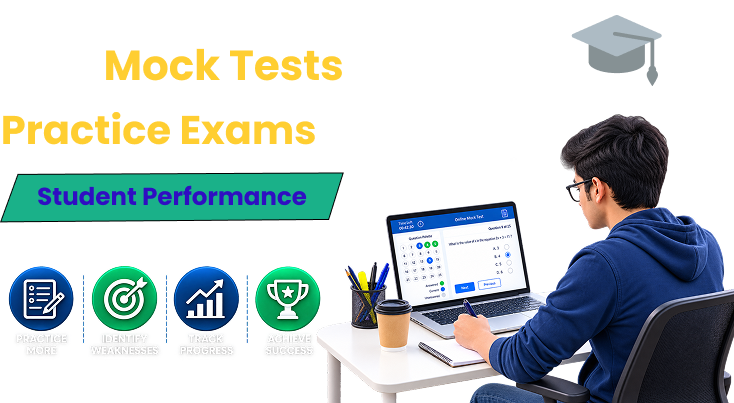
The demand for Loksewa preparation and entrance exam coaching is increasing rapidly in Nepal. Students today expect flexible learning, online mock tests, instant feedback, and easy access to study materials anytime and anywhere.To meet these expectations, many institutes are adopting a Learning Management System (LMS for Loksewa and Entrance Preparation Institutes).An LMS is a digital platform that helps coaching centers manage courses, students, exams, and learning content in one system. It improves teaching quality, reduces manual work, and helps institutes achieve better student results.In this article, we explain how an LMS helps Loksewa and entrance preparation institutes succeed in the modern education system.What is LMS for Loksewa and Entrance Preparation Institutes?A Learning Management System (LMS) is an online platform designed to manage teaching and learning activities.For Loksewa and entrance coaching institutes, it provides:Online classes (live & recorded)Digital study materialsOnline mock testsStudent tracking systemPerformance reportsAutomated evaluationIt acts as a complete digital coaching management system.Challenges Faced by Loksewa and Entrance Preparation InstitutesTraditional coaching institutes face many problems such as:Managing large student batches manuallyDifficulty in conducting regular mock testsLack of student performance trackingTime-consuming result evaluationPoor communication with studentsLimited access to study materialsThese challenges reduce efficiency and affect student performance.How LMS for Loksewa Preparation Institutes Solves These Problems?A modern LMS for Loksewa preparation institutes solves all these issues through automation and digital tools.1. Centralized Learning ManagementAll courses, videos, notes, and assignments are stored in one platform. Students can access everything anytime.2. Online Mock Test SystemAn LMS allows institutes to conduct:Weekly mock testsChapter-wise examsFull syllabus practice testsResults are generated automatically with detailed reports.3. Student Performance TrackingTeachers can monitor:Test scoresAttendanceLearning progressWeak areasThis helps provide personalized guidance to students.4. Live and Recorded ClassesStudents can attend live classes or watch recorded lectures anytime, making learning flexible and accessible.5. Automated AdministrationTasks like:Attendance trackingResult calculationReport generation are automated, saving time and reducing errors.Benefits of LMS for Loksewa and Entrance Exam Preparation:Using an LMS provides many advantages for coaching institutes:Improved student learning outcomesBetter exam preparation resultsTime-saving for teachers and staffEasy communication with studentsHigher student engagementScalable institute managementOverall, it transforms traditional coaching into a smart digital learning system.Why LMS is Important for Coaching Institutes in Nepal (2026)?In 2026, education is moving toward digital transformation. Students prefer online learning and flexible study options.A coaching institute management system (LMS) helps institutes:Compete in the digital education marketReach more students across NepalProvide high-quality learning experienceImprove success rates in Loksewa and entrance examsKey Features of LMS for Coaching Institutes.A powerful LMS should include:Online course managementMock test and quiz systemStudent progress analyticsLive class integrationMobile learning supportCertificate generationPayment integrationThese features make coaching institutes more efficient and professional.

Jun 02, 2026
218
Smart Attendance Tracking Using LMS Platforms. E-Learning
Smart Attendance Tracking Using LMS Platforms.

What Is an Attendance Management System?An attendance management system is a digital solution designed to help schools, colleges, universities, and organizations track attendance automatically. Instead of using manual registers or paper-based records, the system stores attendance data digitally for better accuracy and efficiency. Modern attendance systems provide real-time tracking, automated reports, smart monitoring, and easy access to attendance history.How Does Smart Attendance Tracking Work?Smart attendance works through a combination of software and hardware. Here’s a simple step-by-step process:1. User RegistrationFirst, students or employees are registered in the system. Their details such as name, ID, class, or department are stored in a database.2. Attendance Method SetupThe organization selects a method for tracking attendance, such as:QR code scanningFingerprint or face recognitionRFID cardsMobile app check-inGPS-based location tracking (for remote attendance)3. Marking AttendanceWhen a class or work session begins:Students scan a QR code displayed by the teacher, orEmployees use a biometric scanner, orUsers log in through an appThe system verifies identity automatically.4. Data ProcessingThe system checks the input against stored records. If the identity matches, attendance is marked as “Present” and time is recorded.5. Real-Time StorageAll attendance data is saved in a cloud or central database instantly. Teachers or managers can view it in real time.6. Reports and AnalyticsThe system generates reports such as:Daily attendance sheetsMonthly attendance reportsAbsence trackingBenefits of Smart Attendance TrackingSmart attendance tracking systems offer multiple advantages for educational institutions and training centers.Main Benefits:Saves teachers’ timeReduces manual errorsImproves attendance accuracyProvides real-time analyticsSends notifications to students and parentsSimplifies administrative tasksImproves student discipline and engagementBy automating attendance management, schools can focus more on teaching quality and student performance.Benefits of Automated Attendance Systems.Automated attendance systems make attendance tracking easier and more efficient using digital technologies like biometrics, QR codes, or mobile apps.Saves time: Attendance is recorded quickly without manual calling or signing.Improves accuracy: Reduces human errors in attendance records.Prevents proxy attendance: Ensures only the real person can mark attendance.Real-time tracking: Attendance data is updated instantly and can be viewed anytime.Easy reporting: Generates attendance reports automatically for analysis.Smart attendance tracking using LMS platforms is transforming the way educational institutions manage attendance. With features like automated tracking, real-time reporting, and digital monitoring, schools and colleges can save time, reduce paperwork, and improve overall efficiency.As digital learning continues to grow in 2026, smart attendance systems are becoming an essential part of modern education management.

May 31, 2026
170
How Learning Management Systems Support Remote Education? E-Learning
How Learning Management Systems Support Remote Education?

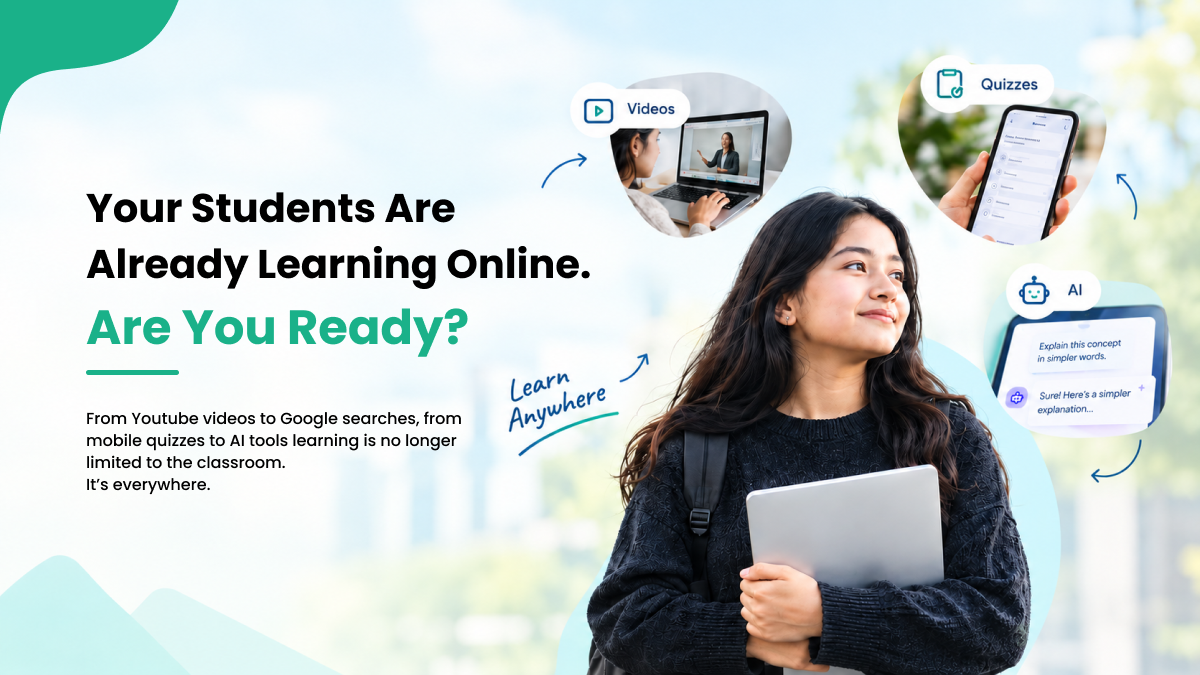
Remote education has become an essential part of modern learning. Today, students are no longer limited to physical classrooms. With the help of digital technology, learning can take place from anywhere in the world.A remote education LMS provides a complete solution for this shift. A Learning Management System allows teachers to deliver lessons online, manage courses efficiently, and track student performance in one centralized platform.What Is Remote Education?Remote education is a learning method where teaching and learning are conducted online instead of in a traditional classroom environment.Through an online education platform, students can attend live classes, access study materials, and complete assignments without being physically present.This approach is widely adopted by:SchoolsCollegesUniversitiesCoaching institutesCorporate training centersHow Learning Management Systems Support Remote Education?1. Centralized Virtual Learning PlatformAn LMS works as a virtual learning platform where all educational resources are stored in one place.Teachers can upload:NotesVideosAssignmentsQuizzesLearning materialsStudents can access everything anytime, making learning more flexible, organized, and accessible.2. Virtual Classroom FeaturesModern LMS platforms provide a complete virtual classroom LMS experience, including:Live online classesVideo conferencingScreen sharingRecorded lecturesThis allows real-time interaction between teachers and students, similar to a physical classroom.3. Improved CommunicationAn LMS improves communication in remote education LMS environments by offering:Chat systemsDiscussion forumsNotificationsImportant announcementsThis ensures students and teachers stay connected even outside class hours.4. Online Exams and Assignment ManagementAn eLearning management system makes assessments easier and more efficient.Teachers can:Create online tests and quizzesSet submission deadlinesAutomatically evaluate answersProvide instant feedbackThis reduces manual workload and improves academic efficiency.5. Student Performance TrackingAn LMS helps institutions monitor student progress effectively, including:Attendance recordsExam resultsAssignment submissionsLearning activity reportsThis helps educators identify strengths and areas that need improvement.6. Flexible Learning ExperienceA distance education system gives learners the freedom to study at their own pace.Students can:Learn anytimeUse any deviceManage their own scheduleBalance studies with work or personal life7. Mobile-Friendly LearningMost online classroom software solutions are mobile-compatible, allowing students to learn on the go.They can:Join classes from smartphonesWatch recorded lectures anytimeSubmit assignments easilyThis improves accessibility and supports modern learning habits.Benefits of LMS in Remote EducationEnhanced Learning ExperienceInteractive features make learning more engaging and easier to understand.Cost EfficiencyIt reduces costs related to travel, printed materials, and physical infrastructure.Organized Education SystemAll learning activities are managed in one place, improving structure and efficiency.Better Student EngagementTools like quizzes, videos, and discussions increase student participation.Time-Saving AutomationGrading, attendance, and management tasks are automated, saving time for teachers and institutions.Future of Remote Education with LMSThe future of virtual learning platforms is rapidly evolving with advanced technologies such as:Artificial Intelligence (AI)Personalized learning systemsCloud-based LMS platformsSmart learning analyticsGamified education toolsThese innovations will make LMS for remote learning more personalized, interactive, and effective.

May 28, 2026
147
How Learning Management Systems (LMS) Are Transforming Student Learning E-Learning
How Learning Management Systems (LMS) Are Transforming Student Le...

In today’s digital education landscape, students need more than traditional classroom teaching to succeed. The rapid growth of online and blended learning has made Learning Management Systems (LMS) an essential tool for modern education. An LMS is a digital platform that helps students access learning materials, track progress, communicate with instructors, and develop essential skills anytime and anywhere.1. Anytime, Anywhere Access to LearningOne of the biggest advantages of an LMS for students is 24/7 access to course materials. Students can study lectures, notes, assignments, and recorded videos from any location using a mobile phone, tablet, or laptop. This flexibility is especially beneficial for students who balance academics with part-time jobs or personal responsibilities.2. Personalized Learning ExperienceLMS platforms allow students to learn at their own pace. Fast learners can move ahead, while others can revisit lessons multiple times until they fully understand the topic. Personalized quizzes, progress tracking, and adaptive learning paths help students focus on areas where improvement is needed.3. Improved Organization and Time ManagementWith an LMS, all academic resources are available in one place. Assignment deadlines, exam schedules, and course announcements are clearly displayed, helping students stay organized. Automated reminders reduce the chances of missing important submissions and encourage better time management skills.4. Enhanced Student Teacher CommunicationLMS platforms improve communication through discussion forums, chat options, and messaging systems. Students can easily ask questions, participate in discussions, and receive timely feedback from instructors. This creates a more interactive and supportive learning environment.5. Instant Feedback and Performance TrackingOnline assessments and quizzes provide instant results, allowing students to evaluate their understanding immediately. Performance analytics help students track their strengths and weaknesses, motivating them to improve continuously.6. Skill Development Beyond the ClassroomAn LMS does not only support academic learning but also helps students build practical and career-oriented skills. Many platforms include courses on programming, data analysis, communication, digital marketing, and other in-demand skills. This prepares students for real-world challenges and future employment.7. Inclusive and Accessible EducationLearning Management Systems support inclusive education by offering features such as recorded lectures, downloadable content, and accessibility options. Students with different learning needs can engage with the content in a way that suits them best.8. Encourages Self-Directed and Lifelong LearningBy promoting independent learning habits, an LMS encourages students to take ownership of their education. This mindset helps students continue learning throughout their lives, which is essential in today’s rapidly changing job market.

Jan 06, 2026
378